
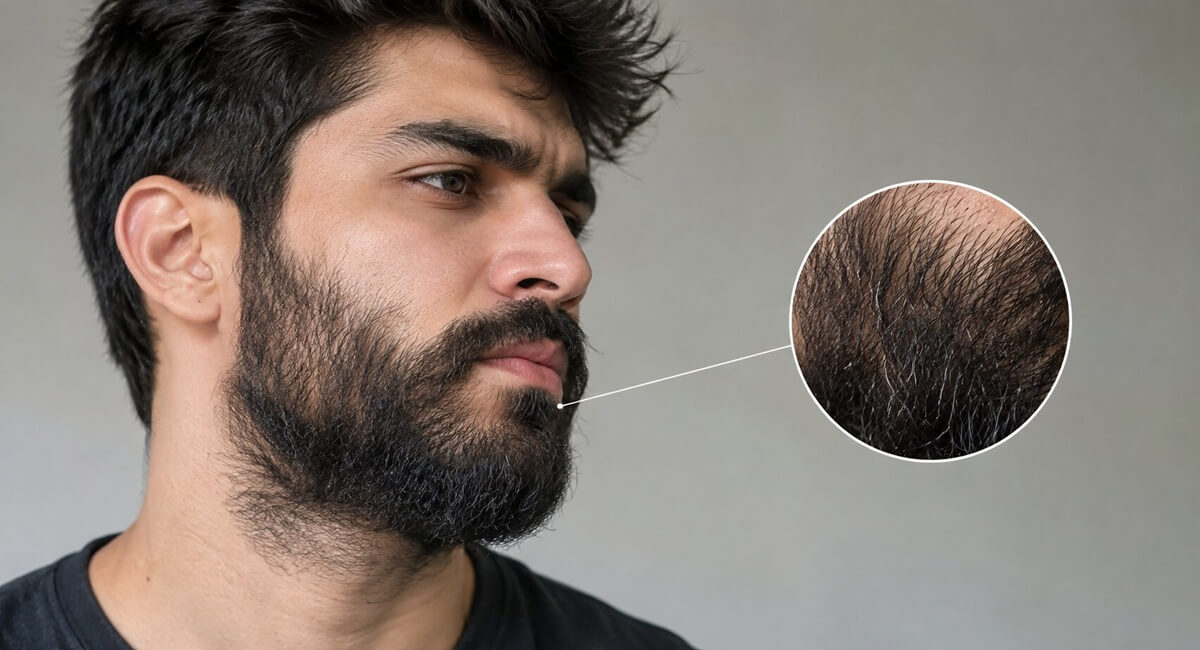

For a long time my beard felt like a kitchen scrub pad. It looked fine from a distance, but anyone who got close enough for a hug knew the truth. I’d run my hand across my jaw and it felt dry, prickly and stiff, especially toward the ends.
I tried a lot of things before I figured out how to soften a coarse beard for real. Some worked right away. Some did nothing. A couple actually made it worse. This guide is everything I learned, in the order I’d do it if I were starting over today.
Quick Answer: How to Make Your Beard Soft
If you just want the short version, this is what worked for me:
- Wash your face daily with a gentle cleanser, but only do a full wash with beard wash 2 or 3 times a week.
- Use a beard conditioner every single time you wash.
- Pat your beard dry. Never rub it with a towel.
- Apply beard oil or a leave in conditioner while the beard is still slightly damp.
- Seal it in with a beard butter or balm.
- Brush or comb daily to spread the product and your natural oils.
- Keep hot water off your face and trim split ends every few weeks.
My beard felt noticeably softer within about a week. The real difference, the kind where it stays soft all day, showed up after 3 to 4 weeks of doing this consistently.
Now let’s get into why each step matters.
Why Is My Beard So Coarse in the First Place?
Before I could fix my beard, I had to understand why it felt like hay. There’s usually more than one reason.
Genetics and texture. Beard hair is usually thicker and more wiry than the hair on your head. Some guys just have coarser facial hair, and no product will change the structure of the hair itself. What you can change is how dry and rough it feels.
Curl pattern. If your beard is curly or coily like mine, the natural oils from your skin have a harder time traveling down each hair. The ends get almost nothing, so they dry out first.
Too much harsh washing. This was my biggest mistake. I was washing my beard every day in the shower with whatever shampoo was around, which kept stripping out the little moisture it had.
Bar soap and scalp shampoo. Both are made to cut through oil. That’s great for your armpits and not great for your face.
Hot showers. I love a hot shower, but hot water pulls oil from both your skin and your beard.
Weather. Cold, dry air in winter and sun in summer both dry out facial hair. My beard always feels worst in the colder months.
Gray hairs. If you’re starting to go gray, you’ll probably notice those hairs feel rougher than the rest. Gray beard hair tends to be coarser, so it needs extra conditioning.
Split ends and damage. Frayed ends feel scratchy no matter what you put on them.
Once I realized my own habits were causing half the problem, things got a lot easier.
My Routine to Soften a Coarse Beard (Step by Step)
This is the exact routine I use now. It takes me about 5 minutes on wash days and 2 minutes on the other days.
Step 1: Wash Less, but Wash Right
I cut down to using beard wash 2 or 3 times a week. On the other days I rinse with lukewarm water and use a gentle, fragrance free face cleanser. The American Academy of Dermatology recommends cleaning your face and facial hair daily with a gentle cleanser, so if you sweat a lot or have oily skin, a mild daily wash is fine. The key word is gentle.
Washing too little isn’t the answer either, though. Product buildup, sweat and dead skin sit in your beard and make it feel crusty. A clean beard absorbs conditioner and oil way better than a dirty one.
I use a proper beard wash because it’s gentler than regular shampoo. I’ve been using the Viking Revolution beard wash and conditioner for a while now, and I wrote up my full thoughts after 30 days of testing.
How I do it: I wet my beard with lukewarm water, work a small amount of wash in with my fingertips, and massage the skin underneath too. Then I rinse well. Leftover soap makes your beard feel stiff.
Step 2: Use Conditioner Every Single Time You Wash
If I had to pick one step that made the biggest difference, it’s this one. Skipping conditioner after washing was the reason my beard felt like a brillo pad.
Conditioner coats the outside of each hair and smooths it down. That cuts friction and tangles, and it’s a big reason the hair feels softer to the touch. Some brands even call their conditioner a “beard softener,” which tells you what it’s really for.
I leave it in for 2 to 3 minutes before rinsing. On days when my beard feels really dry, I leave it longer while I finish the rest of my shower.
Step 3: Dry It the Right Way
I used to scrub my face with a towel like I was drying a dog. That roughs up the hair and causes frizz and breakage.
Now I gently squeeze and pat my beard with a towel until it’s damp, not dripping. Dermatologists recommend the same thing: pat your skin and beard dry and leave a little moisture behind.
Step 4: Moisturize While It's Still Damp
Dermatologists recommend moisturizing right after you wash, while your skin is still damp. Oil or a leave in conditioner helps lock in the water that’s already there instead of letting it evaporate.
For a short beard, 3 or 4 drops of oil is plenty. For a longer beard I use 5 or 6. I rub it between my palms, work it into the skin first, then pull it down through the hair.
If your beard is really coarse or curly, a leave in conditioner can do more than oil alone. It’s a good swap on days when your beard feels extra dry.
Step 5: Seal It With Butter or Balm
Oil and leave in products add moisture. Butter and balm help keep it there.
I use beard butter on days when I want maximum softness and balm on days when I need some hold to keep things neat. A small amount warmed in your hands goes a long way. My beard balm roundup covers the ones I’ve tested.
Step 6: Brush and Comb Daily
Brushing does more than style your beard. It spreads the product and your skin’s natural oils from root to tip, which is exactly what a coarse beard needs.
A boar bristle brush works well for shorter beards, and a wide tooth comb is better once it gets longer. For curly beards, the wide tooth comb is a must. Fine combs snag and break coarse hair.
Beard Oil vs Beard Balm vs Beard Butter: Which Softens Best?
Each product does a different job:
| Product | What It Does | Softening Power | Hold | Best Time to Use |
|---|---|---|---|---|
| Beard Oil | Moisturizes skin and hair | Medium | None | After showering |
| Beard Butter | Deep conditioning, no wax | High | Light | Softness days, at night |
| Beard Balm | Conditions and styles (contains wax) | Medium | Medium | When you need a neat look |
| Leave In Conditioner | Adds moisture and smooths hair | High | None | Very dry or curly beards |
If softness is your main goal, beard butter wins for me. Balm is great too, but the wax adds stiffness if you use a lot.
The Beard Butter Trick: Skipping Oil on Some Days
This one goes against what most people say. On days when you’re home and not going anywhere, skip the beard oil, dry your beard to about 90%, and go straight to beard butter.
The reasoning makes sense. Oil ends up coating all your beard hair, not just the skin, which leaves less room for the butter to soak in. Skipping the oil lets the butter absorb better.
I wouldn’t do this every day. Your skin still needs oil to stay hydrated, and if you skip it too long you’ll start getting itchy and flaky. But swapping 1 or 2 oil days a week for butter only is worth a try if softness is your goal.
Using Heat to Soften Beard Hair (The Right Way)
A lot of guys with coarse beards find their beard feels rougher and tangles more when they stop using heat for a while. Used the right way, a blow dryer can actually help. There’s research behind this. A 2011 study in the Annals of Dermatology found that a hair dryer does cause some surface damage, but using one about 15 cm (6 inches) away and keeping it moving caused less overall damage than letting hair air dry for a long time.
Here’s how to do it safely:
- Use the low or cool setting.
- Keep the dryer moving and about 6 inches from your face.
- Brush downward while you dry.
- Put on a leave in conditioner or heat protectant first.
- Towel dry first so you’re not blasting a soaking wet beard.
A heated beard brush works too, especially for curly beards. Just don’t use it every day, since repeated heat can dry things out.
Oils That Help Soften a Coarse Beard
Not all beard oils feel the same. These are the ingredients and types worth knowing about.
Argan oil and jojoba oil. Jojoba isn’t technically an oil. It’s a liquid wax that’s very similar to the wax esters in your skin’s natural oil, which is why it feels so light. Argan softens without feeling greasy. You’ll find one or both in most good beard oils.
Emu or ostrich oil blends. Some beard oils use emu or ostrich oil as the main carrier, and many beard reviewers say these blends make a beard noticeably softer, sometimes so soft it gets hard to style if you use them several days in a row. These come from rendered animal fat, so skip them if you’re vegan.
CBD beard oils. Some reviewers swear these soften their beard overnight. I haven’t seen solid research on CBD for beard texture, and it’s hard to know whether the CBD or the carrier oils are doing the work, so I’d call this optional.
If you have a curly or coily beard, check out my list of the best beard oils for Black men. Those were picked specifically for coarse, textured beards.
How to Soften a Coarse Beard Overnight
If you need your beard softer by tomorrow, try this the night before:
- Wash and condition, leaving the conditioner on for 5 minutes.
- Pat dry until damp.
- Apply a few drops of beard oil to the skin and hair.
- Follow up with a generous layer of beard butter.
- Comb it through and go to sleep.
In the morning, rinse with lukewarm water, pat dry, and brush. It’s not a permanent fix, but it makes a real difference for a day.
How to Soften a Curly or Coily Beard
Curly and coily beards need more work because the oils don’t travel down the hair easily. What helps:
- Condition more often. Conditioning at least 3 times a week helps, even on days you skip the wash.
- Use heavier products. Butters and thicker balms do more than light oils.
- Layer your moisture. Leave in conditioner first, then oil, then butter or balm.
- Only comb when damp. Combing a dry curly beard causes breakage.
- Use a wide tooth comb or pick. Brushes can make curls frizzy.
I also put together a guide on the best beard balm for Black men with products made for this beard type.
Natural Ways to Soften Your Beard at Home
If you’d rather start with something from your kitchen, these are worth trying:
Hot oil treatment. Warm a tablespoon of argan, jojoba or olive oil in a small cup placed in hot water. Test it on your wrist so it’s warm, not hot. Massage it into your beard, wrap a warm towel around it for 15 minutes, then wash and condition. Once a week is plenty, especially in winter.
Aloe vera. Pure aloe gel is a light humectant, which means it helps pull moisture into the hair. A thin layer on the skin before oil can also calm irritation.
Coconut oil. It softens hair well, but it can clog pores. If you’re prone to breakouts, keep it on the beard hair and away from the skin.
Drink more water. It won’t fix a coarse beard on its own, but dehydration makes both your skin and beard feel drier.
Mistakes That Keep a Beard Rough
I made most of these myself:
- Harsh washing every day. It strips out oil faster than you can replace it.
- Using bar soap or head shampoo. Too harsh for facial hair.
- Skipping conditioner. This is the big one.
- Rubbing your beard dry with a towel. It frizzes and breaks the hair.
- Applying oil to a bone dry beard. It works better on damp hair and skin.
- Putting product only on the hair. Your skin needs it too. Dry skin under the beard means itching, flakes and a rough feel.
- Using too much product. Extra product just sits on top and feels greasy.
- Never trimming. Split ends feel scratchy no matter what. A light trim of the ends every 4 to 6 weeks helps.
- Hot water right on your face. Turn it down or keep your face out of the stream.
When to See a Dermatologist
If you’re prone to breakouts under your beard, go easy on oils. The AAD suggests using a small amount of non comedogenic beard conditioner instead of beard oil for acne under the beard.
And if your beard stays itchy, flaky, red or bumpy even after you fix your routine, see a dermatologist. It could be something like seborrheic dermatitis that needs proper treatment.
Final Thoughts
Learning how to soften a coarse beard came down to a few simple changes for me: wash gently, condition every time, dry carefully, moisturize while damp, and seal it all in. Everything else, like heat, butter only days and hot oil treatments, is a bonus.
If your beard feels like straw right now, start with conditioner. That one step will probably change more than any expensive oil you could buy.
Frequently Asked Questions
Can I use regular hair conditioner on my beard?
Yes. A beard conditioner is usually gentler on the skin under your beard, but regular conditioner is much better than none at all.
How often should I put oil on my beard?
Most days, ideally right after a shower. If your skin starts to feel itchy or flaky, you’re not using it often enough. If you get breakouts, use less oil or switch to a non comedogenic conditioner.
Why is my beard soft after a shower but rough later?
Water softens hair temporarily, but it evaporates. If you don’t lock in moisture with oil, leave in conditioner or butter while the beard is damp, it dries out again within a few hours.
Does beard oil make a beard softer or grow faster?
It makes it softer by moisturizing the hair and skin. It doesn’t make your beard grow faster or thicker, despite what some labels suggest.
What is the fastest way to make my beard soft?
Wash, condition for 5 minutes, pat dry, then apply oil and butter while the beard is still damp. That combo gives the quickest results.
Is a coarse beard unhealthy?
Not necessarily. Coarse just describes the texture, and a soft beard isn’t automatically healthy either. What matters is that the hair isn’t dry, brittle or breaking, and the skin underneath isn’t flaky or irritated.